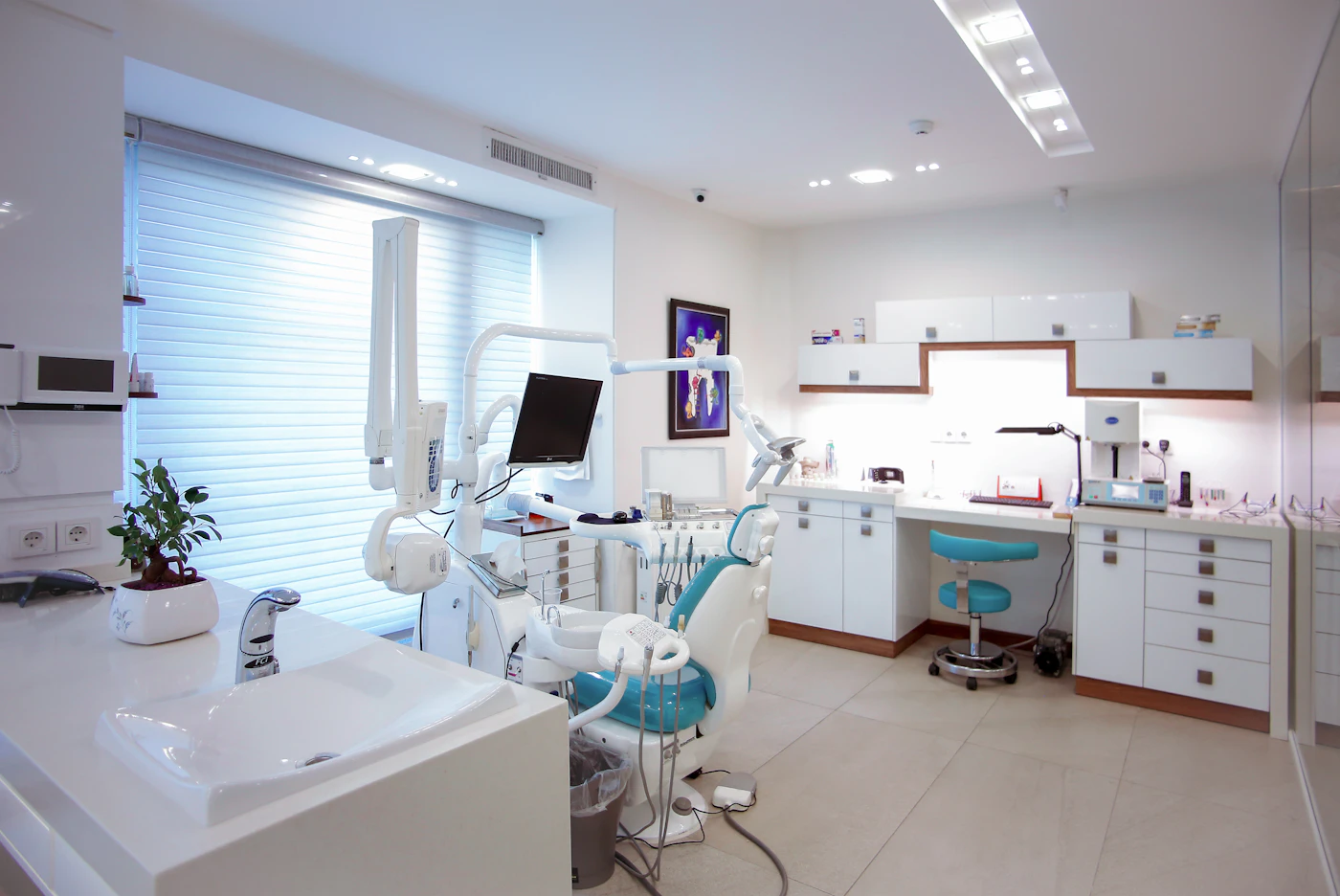
Deyu Dental Lab

Precision. Esthetics. Reliability.

Zirconia

Zirconia dental restoration

Zirconia is widely selected for its high flexural strength, fracture resistance, and biocompatibility. Full-contour zirconia performs well in posterior zones, while layered zirconia offers enhanced esthetics for visible regions.

Our workflow supports stain-and-glaze characterization, occlusal adjustment control, and margin precision for predictable fit and function. Advanced multi-layer zirconia blocks deliver natural gradient translucency without the need for porcelain layering.

Best For

  • High-load posterior crowns and bridges (molars, full-arch)
  • Patients with parafunctional habits (bruxism, clenching)
  • Cases requiring long-term durability without metal show
  • Full-contour monolithic restorations with digital precision
  • Implant abutments and hybrid prostheses

Clinical Notes

  • Excellent tissue response and low plaque affinity
  • Modern translucency gradients for esthetic zones (anterior multilayered zirconia)
  • Consistent digital milling reproducibility and passive fit
  • Minimal occlusal wear on opposing enamel when polished
  • Radiopaque for easy radiographic assessment

Zirconia Material Profile

Flexural strength:1,200 – 1,400 MPa (full-contour)
Translucency:Multi-layer: 35–50% (enamel zone)
Chemical composition:Yttria-stabilized tetragonal polycrystal (Y-TZP)
Margin adaptation:< 50 μm, digital die scanning
Fracture toughness:6–8 MPa·m¹⁄₂
zirconia microstructure placeholder
Y-TZP microstructure under SEM (placeholder)

Mechanical Superiority

  • Highest fracture resistance among all ceramic materials
  • Monolithic design eliminates chipping risk of layered ceramics
  • Low thermal conductivity — reduces post-op sensitivity
  • CAD/CAM precision ensures uniform thickness and marginal integrity
  • Compatible with adhesive or conventional cementation
digital milling placeholder
Pre-sintered block milling & sintering (placeholder)

Indications & Clinical Scenarios

Posterior full-coverage crowns, bridges (up to 4 units monolithic)
Full-arch implant-supported prostheses (screw-retained)
Anterior crowns using multilayered high-translucency zirconia
Patients with metal allergy or esthetic concerns about PFM
Long-span bridges with reduced connector height requirement
Tip: For maximum translucency, select 5Y-TZP or “multi-layer” zirconia; for high-strength posterior, 3Y-TZP is preferred.

Material Comparison: Zirconia vs Alternatives

PropertyZirconia (monolithic)PFMEmax (Lithium Disilicate)
Flexural strength1,200 MPa~800–1000 MPa (metal)360–460 MPa
EstheticsGood–excellent (multilayer)Moderate (opaque core)Excellent (translucent)
Tooth reduction1.0–1.5 mm1.5–2.0 mm1.2–1.8 mm
Chipping riskVery low (monolithic)Moderate (porcelain layer)Low (monolithic option)
Cost efficiencyMid–high rangeMost economicalPremium
*Zirconia offers the best combination of strength, biocompatibility, and metal-free esthetics for most indications.

Digital Precision Workflow

step1 placeholder

1. Digital Impression

Intraoral scan or high-res model scan

step2 placeholder

2. CAD Framework

Virtual wax-up, connector optimization

step3 placeholder

3. Milling / Sintering

High-speed milling, 1500°C sintering

step4 placeholder

4. Characterization

Individual staining, glaze, final polish

Typical turnaround: 4–7 business days | Same-day digital case evaluation available

Clinical Outcomes — Zirconia Restorations

High-strength, metal-free solutions for demanding cases

pre-op zirconia case placeholder Before

Case #Z324: Severe occlusal wear, existing amalgam restorations

Pre-operative condition with loss of vertical dimension

post-op zirconia placeholder After Zirconia

Monolithic zirconia crowns #19–21, #30–31 — optimal function

18‑month recall: no wear on opposing, excellent soft tissue health

*Representative images for educational purpose; individual results may vary.

Multilayer Zirconia

Gradual transition from high-strength core to incisal translucency. Ideal for anterior to premolar regions without external staining.

Cementation Protocols

Self-adhesive resin cement for conventional retention; adhesive bonding after airborne-particle abrasion for resin-bonded retention.

Esthetic Polishing

High-gloss polishing kit reduces antagonist wear and enhances surface smoothness, eliminating the need for glazing in many cases.

Frequently Asked Questions — Zirconia Restorations

Expert answers on strength, esthetics, and clinical handling

Is zirconia suitable for anterior crowns?

Yes, with high-translucency multilayered zirconia (e.g., 5Y-TZP), it provides excellent esthetics comparable to lithium disilicate while maintaining superior strength. We recommend monolithic layered zirconia for single anterior units.

How does the longevity compare to PFM?

Zirconia crowns have a reported 10‑year survival rate above 94% for posterior teeth, similar or better than PFM, with lower risk of porcelain chipping. Metal-free nature also eliminates allergic concerns.

Can zirconia bridges be made for full-arch?

Absolutely. We support full-arch implant-supported frameworks and long-span (up to 8-unit) conventional bridges using high-strength 3Y-TZP. Proper connector design and framework thickness are critical.

Does zirconia wear opposing teeth?

When highly polished, monolithic zirconia is gentle on opposing enamel. Our finishing protocol includes dedicated polishers to achieve a smooth surface, minimizing antagonist wear.

What warranty is offered on zirconia restorations?

Deyu Dental Lab provides a 5‑year limited warranty against framework fracture and material defects. Any fit or esthetic issues are addressed with remake or adjustment promptly.

Do I need special preparation for zirconia crowns?

Standard chamfer or rounded shoulder finish line (minimum 0.5 mm axial reduction, 1.0 mm occlusal). For high-translucency zirconia, we recommend using a diamond bur with water spray to avoid microcracks.

Quote / Consultation Form

*Our team will respond within 24 business hours with a detailed quote and case planning recommendations.

TOP